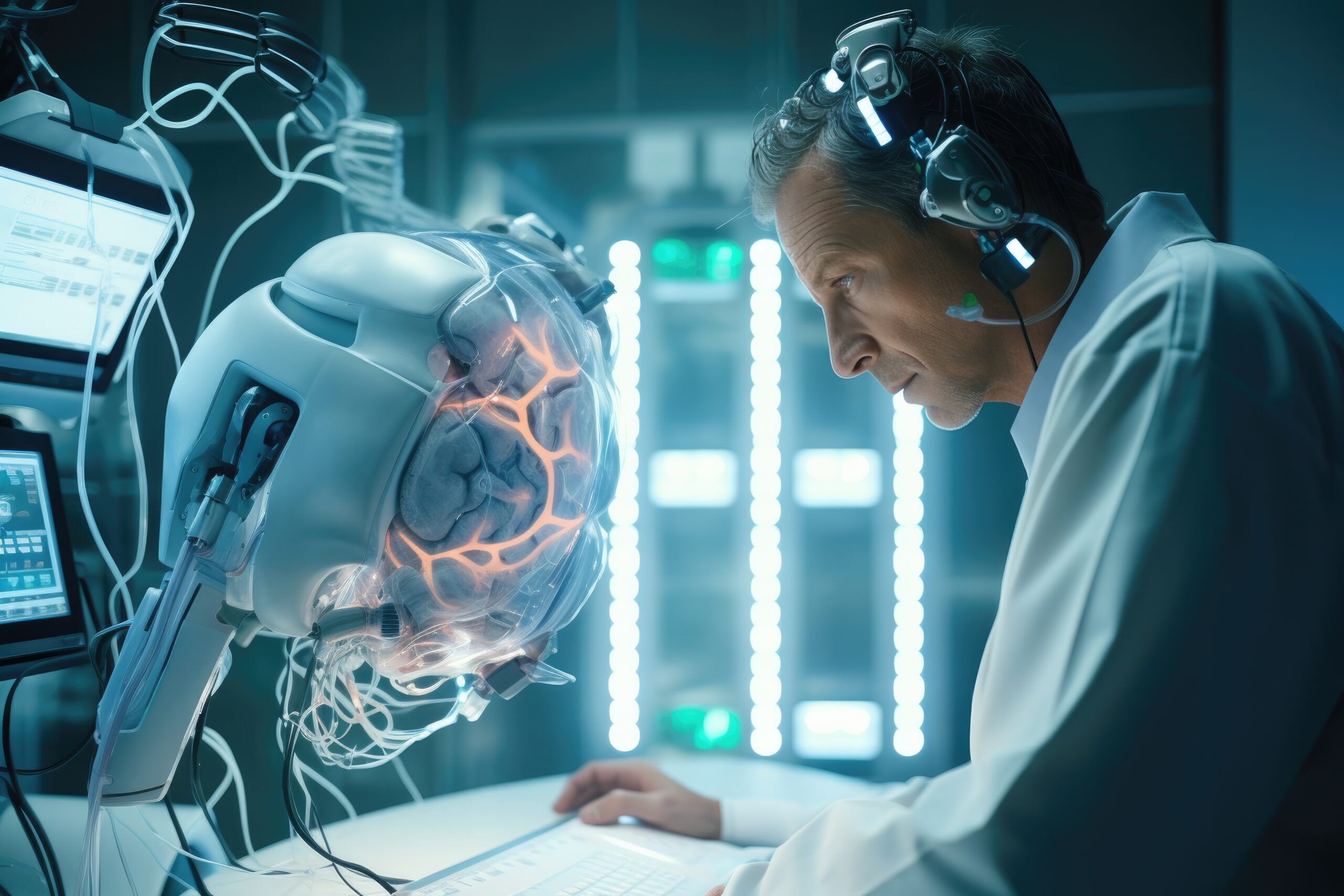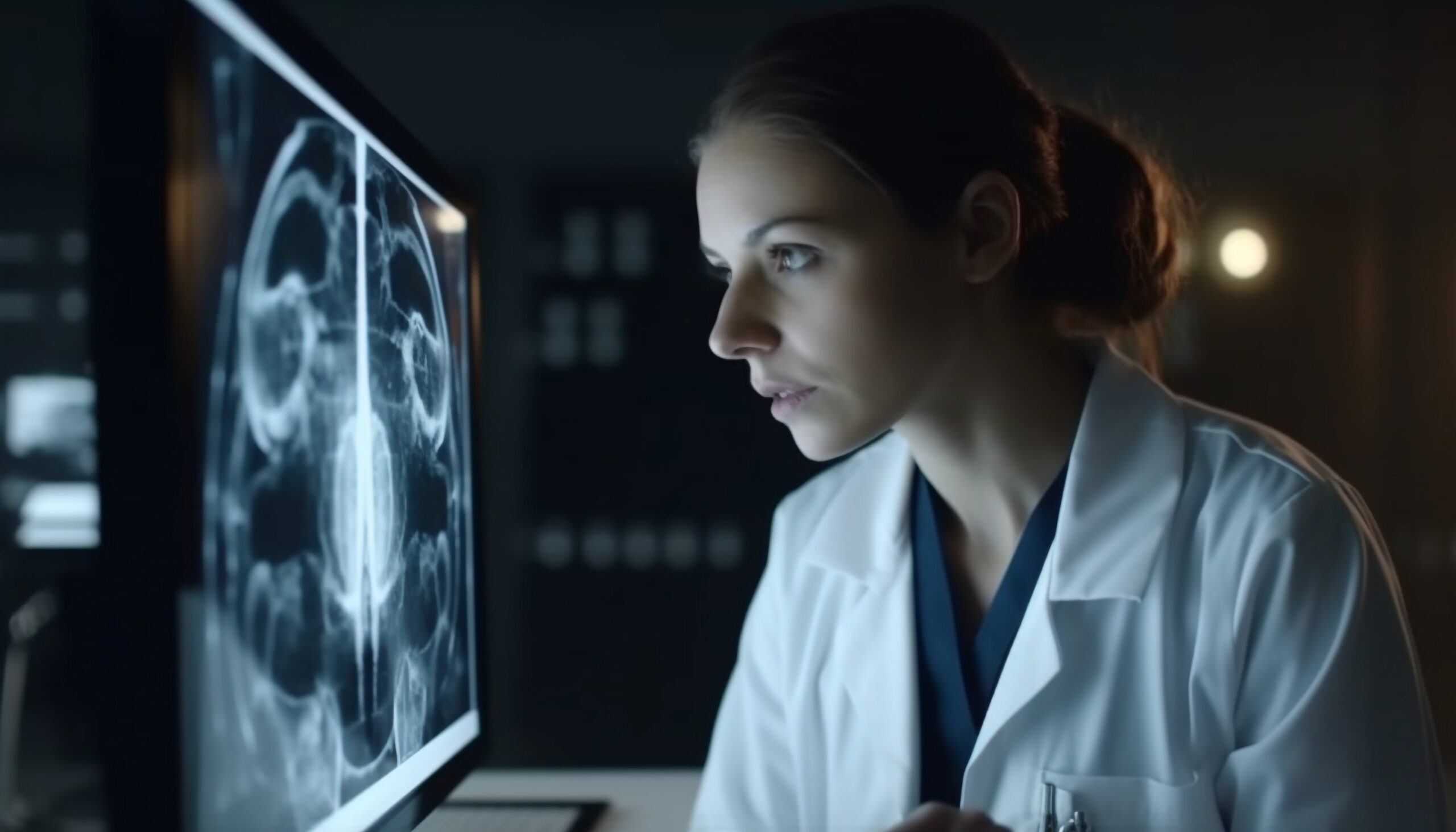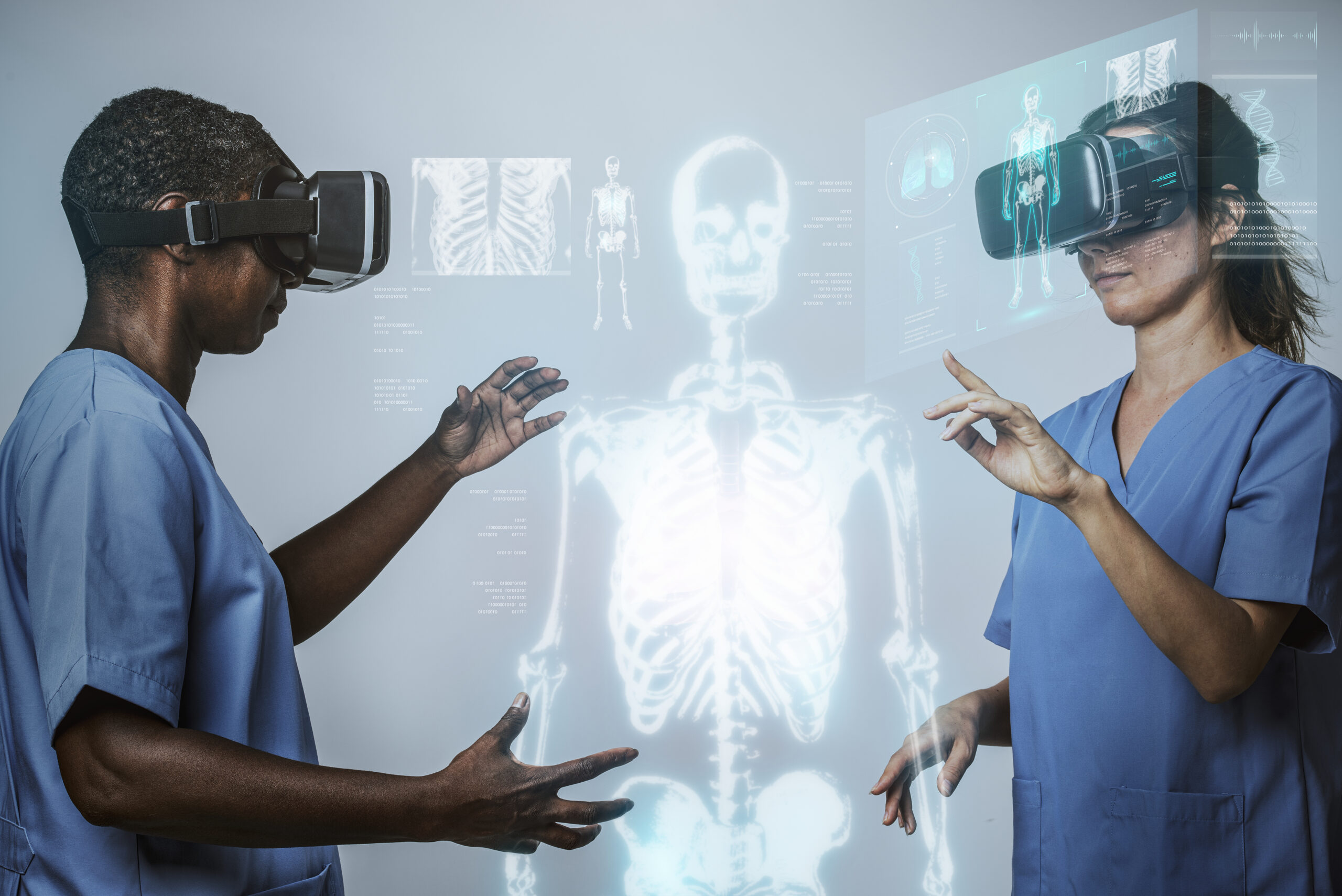
Can Artificial Intelligence (AI) replace radiologists? This question has arisen in response to an unprecedented technological transformation in which AI is emerging as a powerful tool for diagnostic imaging. Its impact is already visible and promises to bring about even deeper changes in the years to come.
Radiology has been one of the medical specialties most transformed by the integration of artificial intelligence. Thanks to AI’s ability to collect large volumes of data and process images with speed and precision, significant progress has been made in detecting and diagnosing various pathologies. However, some physicians question to what extent clinical interpretation can be delegated to an automated system. Patients may prefer a medical professional involved, especially when receiving and understanding a diagnosis.
Can Artificial Intelligence Replace Radiologists?
The short answer is no, at least not shortly, and here are the reasons why.
To understand this, we must first look at how image recognition in AI works. While artificial intelligence has demonstrated impressive pattern recognition capabilities in medical images, its operation is based on algorithms trained to identify specific structures using convolutional neural networks (CNNs). These networks employ complex mathematical functions to analyze, align, and compare thousands of images in order to generate diagnostic predictions.
However, AI does not replace human clinical reasoning. Its analysis depends on previously labeled data, and its ability to interpret complex clinical contexts, make decisions in atypical scenarios, or consider individual patient factors is still limited. Furthermore, many radiological findings require correlation with symptoms, medical history, and additional studies, tasks that remain fundamentally human.
AI Models Are Currently Designed for Specific Tasks
Today’s AI models in radiology are developed to perform very specific tasks. For example, there are algorithms trained solely to detect large vessel occlusion in cases of acute stroke. This level of specialization means that each AI tool is trained to identify a single pathology based on precise patterns extracted from thousands of similar images.
However, a single brain image may reveal signs of multiple conditions, such as tumors, hemorrhages, infections, or structural abnormalities. If a separate model were needed for each of these conditions, the system would require the simultaneous operation of hundreds of highly specialized models. Current AI does not have the capacity to interpret medical images with the same level of integration and clinical judgment as a human radiologist.
Radiology Requires Clinical Knowledge, Not Just Pattern Recognition
The interpretation of medical images goes far beyond visual pattern recognition. Radiology demands deep clinical knowledge and a comprehensive understanding of the patient. Radiologists do not simply describe what they see; they analyze findings in the context of the patient’s medical history, symptoms, background, and current condition, leading to more accurate and personalized diagnoses. This level of integration is something that, no matter how advanced it becomes, artificial intelligence still cannot fully replicate.
What About Tools Like ChatGPT?
In some cases, patients may use ChatGPT or other AIs as a support tool to better understand medical terminology or interpret radiology reports in general terms. However, the responsibility to guide, analyze, and explain clinical findings continues to rest with the physician. Expert reading, clinical reasoning, and human support remain essential for accurate diagnosis and for providing clarity and confidence to patients.
Privacy Risks and Data Use in Medical AI
Another critical aspect that cannot be overlooked is the risk associated with medical data privacy. Large language models (LLMs) and other AI systems used in healthcare can be vulnerable to data leaks. There is a real possibility that medical images or records used to train these models were collected without proper consent, compromising both patient privacy and the integrity of clinical analysis. The use of AI in radiology must be accompanied by strict security measures, compliance with regulations like HIPAA (in the U.S.) or international standards.
Radiologists Do Much More Than Generate Reports
The radiologist’s role goes far beyond simply drafting image reports. In complex clinical cases, the radiologist must communicate with other medical specialists to effectively identify the patient’s diagnoses and make better-informed clinical decisions.
Radiologists also play a key role in planning procedures, monitoring treatments, and detecting early signs of critical conditions. Their clinical judgment, expertise, and ability to communicate with the medical team are aspects that no AI can fully replicate.
Artificial Intelligence Can Also Amplify Bias
One of the most serious risks in using AI in medicine is the potential to amplify existing biases in the data used to train these models. If algorithms are trained mostly on images from specific populations, based on age, gender, ethnicity, or geography, their ability to accurately diagnose patients from underrepresented groups may be significantly impaired.
This not only affects diagnostic accuracy but also risks deepening disparities in access to and quality of care. For example, a model trained mostly on adult images may fail when applied to pediatric populations, or one developed with data from high-income countries may not perform well in regions with different epidemiological profiles.
AI is an Ally to the Radiologist, Not a Replacement
Artificial intelligence is transforming radiology, but it is not here to replace radiologists, but rather to empower them. Its ability to identify patterns in images with speed and precision makes it a valuable tool, especially for repetitive tasks or high-demand environments. However, its application remains limited by the need for clinical interpretation, medical judgment, human interaction, and deep contextual understanding.
The future of radiology is not a choice between humans and machines, but rather the development of an integrated approach where medical professionals and AI technology can deliver the highest levels of patient care.