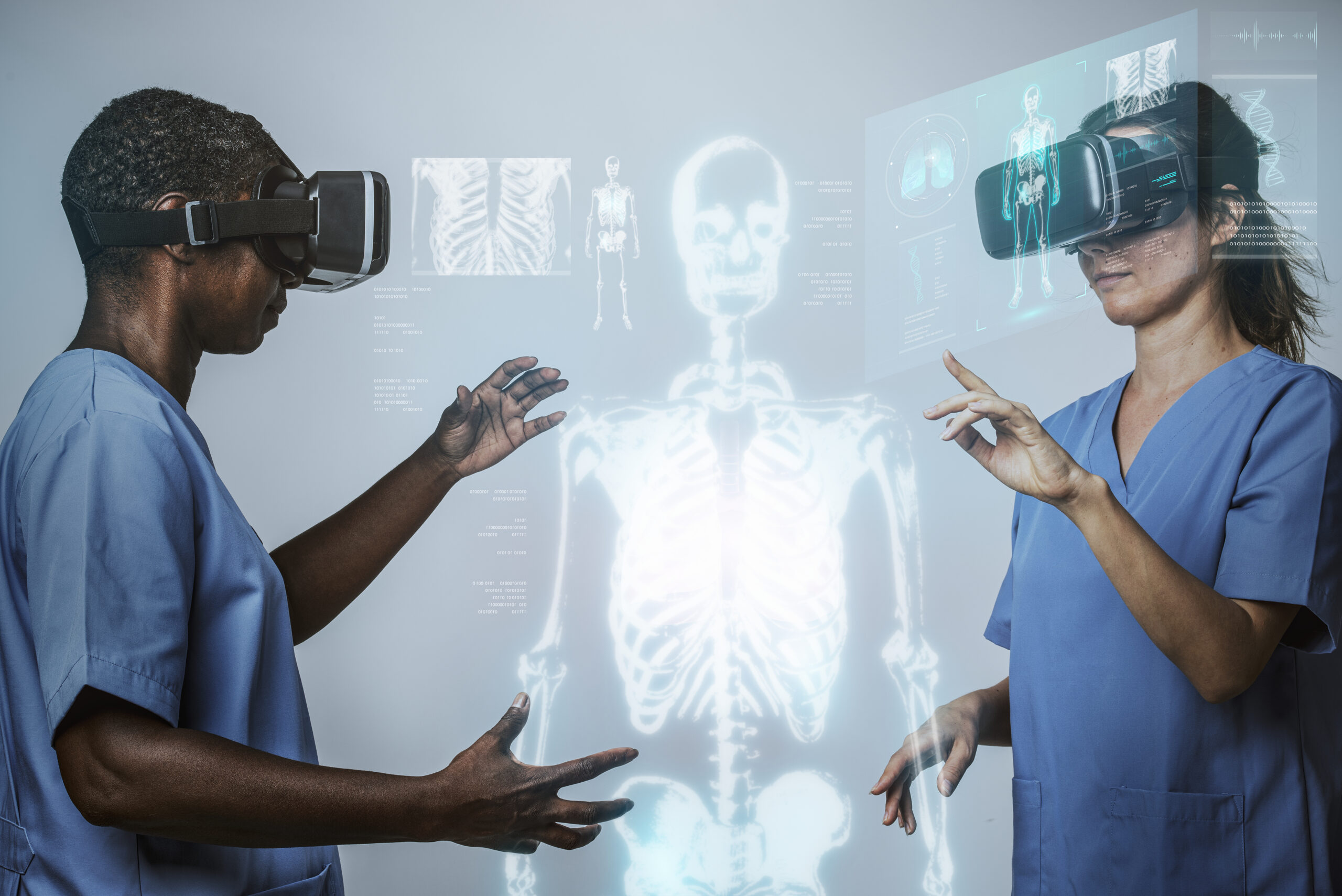
In recent years, robotics has emerged in the medical field to enhance precision in surgical procedures and even support rehabilitation therapies and patient recovery.
While the technology is compelling, it does require an effective degree of interaction by practitioners and technicians to ensure successful patient outcomes.
Improving Surgical Precision
Robotic-assisted surgery is revolutionizing the operating room. Systems like the da Vinci Surgical System allow surgeons to perform complex procedures with a level of precision, control, and flexibility that traditional techniques simply can’t match.
These robotic systems offer 3D high-definition visualization and enhanced dexterity. They can filter out natural hand tremors and allow for microscale movements, enabling minimally invasive procedures that reduce trauma to the body. The benefits? Smaller incisions, less pain, lower risk of infection, and quicker recovery times for patients.
Surgeons remain in full control at all times, but robotics enhances their capabilities, turning incredibly delicate or repetitive tasks into more efficient, accurate procedures.
Rehabilitation, Reinvented
Robots aren’t just for surgery; they’re also changing the game in physical rehabilitation. Robotic exoskeletons, smart treadmills, and therapy-assist devices are helping patients recover mobility after medical events like strokes, injuries, and surgery.
These technologies deliver consistent, repetitive motion, a key factor in retraining the brain and body during recovery. For example, a robotic gait trainer can help stroke patients relearn how to walk by supporting their body weight and guiding their legs through natural walking patterns. The robotic tools can help adapt the therapy to the patient’s specific needs.
Humans Still at the Heart of Healing
As advanced as these machines are, they are tools, not replacements, for human healthcare providers. A surgeon still operates. A therapist still guides the rehabilitation process. And most importantly, the patient remains a central part of the journey.
Robotic systems enhance, not replace, the human element. Empathy, communication, trust, and personalized care remain essential. Successful outcomes depend on a strong relationship between the patient, the clinician, and the technology.
The Challenges Ahead for Robotics
Of course, introducing robotics into healthcare isn’t without its challenges. The technology is expensive, and not all hospitals or clinics can afford it. There’s also a learning curve for medical staff and concerns about data privacy and system reliability.
Ethical considerations are important too. We must ensure that care remains personal and human-centered, even as technology becomes more integrated into daily practice.
Types of Robotic Systems
As robotics continues to transform modern healthcare, various types of robotic systems are being adopted across surgical disciplines. These systems range from fully teleoperated tools to semi-autonomous and collaborative machines, each offering unique benefits to enhance surgical outcomes.
Teleoperated Robots
One of the most well-known examples of teleoperated robotic systems is the da Vinci Surgical System, which allows surgeons to control robotic arms from a console. This setup enhances precision, reduces hand tremors, and offers high-definition, 3D magnified views of the surgical field. Such systems have revolutionized delicate procedures, enabling minimally invasive operations with improved dexterity and control (Smith et al., 2021).
Autonomous Robots
Autonomous surgical robots can perform specific tasks with minimal human input. Examples include the Smart Tissue Autonomous Robot (STAR), which excels in soft tissue suturing, and the Mazor X system, used in spinal surgery for preoperative planning and precise alignment. These robots leverage artificial intelligence and advanced imaging to execute high-precision tasks, thereby reducing errors and improving outcomes.
Collaborative Robots (Cobots)
Collaborative robots, or cobots, are designed to work alongside human surgeons, assisting with repetitive or physically demanding tasks. Cobots may handle imaging guidance, instrument positioning, or suturing support. By sharing the workload, cobots help reduce surgeon fatigue, improve workflow efficiency, and enhance overall productivity in the operating room.
Robotic Applications Across Surgical Specialties
Robotic systems are not limited to a single field of medicine—they are now widely used in various surgical domains, each benefiting from enhanced precision, reduced invasiveness, and improved patient recovery times.
General Surgery
In procedures such as prostatectomies, hysterectomies, and colectomies, robotic systems improve access to difficult-to-reach areas of the body. They enable surgeons to operate with more accuracy and control, leading to less intraoperative blood loss, smaller incisions, and shorter recovery times.[3]
Orthopedic Surgery
Robotics has made a significant impact on joint replacement surgeries, where precision is critical. Systems like MAKO and NAVIO allow for sub-millimeter accuracy in procedures such as hip and knee replacements. These tools assist in preoperative planning and real-time intraoperative adjustments, resulting in better alignment, less soft tissue damage, and improved long-term outcomes (Thompson et al., 2021).
Beyond joint replacement, robotic innovations are transforming limb-lengthening and reconstructive procedures. As Dr. Kevin Debiparshad, founder of The LimbplastX Institute, explains:
“Having performed more than 1,900 limb lengthening procedures, I’ve seen firsthand how the Precice 2.2 has revolutionized what’s possible in orthopedic surgery. It’s a robotic implant that moves from within the body — precisely, safely, and painlessly guiding new bone growth millimeter by millimeter.”
This example highlights how robotic precision is extending beyond conventional surgical fields, enabling procedures once thought impossible and significantly improving patient outcomes.
Neurosurgery
Neurosurgery involves the diagnosis, treatment, and rehabilitation of conditions affecting the nervous system, including the brain and spinal cord. Robotic systems in neurosurgery offer unparalleled precision in procedures like tumor resections, deep brain stimulation, and spinal fusion. Their ability to navigate delicate neural pathways with minimal disruption makes them invaluable in treating complex neurological disorders.
The future of robotics in medicine is incredibly promising. As systems become more affordable and widely adopted, more patients will benefit from safer surgeries and more effective rehabilitation.
Ultimately, it’s not just about machines—it’s about collaboration. When robotic precision meets human compassion, healthcare reaches a new level of excellence.